How Do I Start Drawing Realistic Animals with Graphite Pencils?
How Do I Start Drawing Realistic Animals with Graphite Pencils?
Starting to draw realistic animals with graphite pencils is an exciting journey, and like any skill, it begins with the right foundations. With the correct tools, a thoughtful approach, and steady practice, you can build confidence and see real progress in your drawings. Whether you are entirely new to graphite or returning after a break, focusing on a few key principles will help you move forward with focus and purpose.
Choosing the Right Pencils and Paper
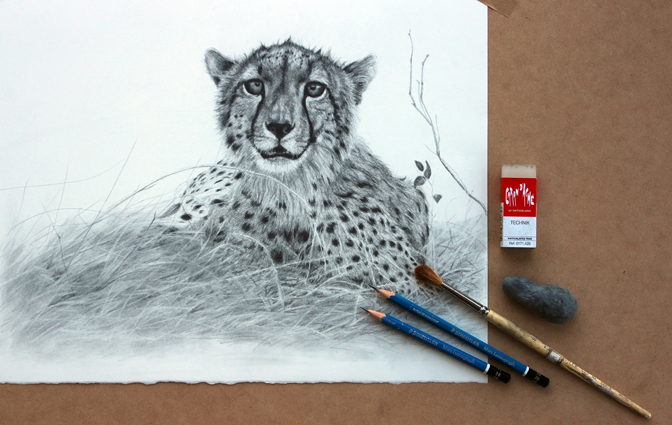
The first step is using the right pencils and paper. A small range of graphite pencils, such as HB, 2B, 3B and 4B, will give you everything you need to create light sketches through to rich, dark tones. These grades provide a beautiful balance between control and depth without overwhelming you with too many options. My favourite graphite pencils are the Staedtler Mars Lumograph, as they offer consistent quality and smooth application.
Pair your pencils with a good-quality drawing paper that has a slight tooth. Hot-pressed watercolour paper or a vellum surface works beautifully for graphite. These surfaces can hold multiple layers of graphite and withstand gentle erasing without breaking down. Using the right materials from the beginning immediately makes the process more enjoyable and predictable, and it allows you to focus on learning rather than fighting your tools.
Learning Through Sketching
Before you focus on details, begin with gentle sketching to get familiar with your subject. This stage is about slowing down and truly observing the animal’s basic shapes, proportions and character. You are not trying to create a finished artwork at this point. You are learning the animal’s anatomy and personality.
These early sketches help build your eye-to-hand coordination and allow you to understand your subject before committing to deeper shading and texture. This is where confidence begins to grow, quietly and steadily.

Understanding Tonal Values
One of the most essential skills in realistic drawing is understanding tonal values. Tonal values are one of the most essential elements in drawing, yet they are often overlooked by beginners who focus heavily on outlines. Instead of thinking in lines, start thinking in light and shade.
Begin your drawing with light layers first. Gently establish the lightest and mid-tones before gradually adding darker values. This slow build-up of graphite allows you to deepen shadows, create form and develop depth and dimension with control. Layering in this way gives you time to think about the anatomy, the transitions between values and the flow of the drawing as it evolves.

Using Directional Strokes for Texture and Form
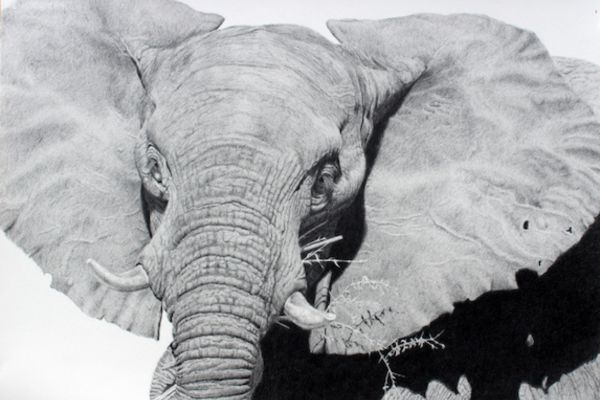
As you build tone, use directional strokes to follow the animal’s anatomy and texture. Short strokes work well for short fur, while longer strokes suit long fur. Smoother shading is better for softer areas such as noses or eyes. These directional marks help define the animal's structure and make the drawing feel alive and believable.
This is where realism truly begins to develop. Your strokes are no longer just placing graphite on paper; they are describing the form, movement and texture of your subject.
The Importance of Edges
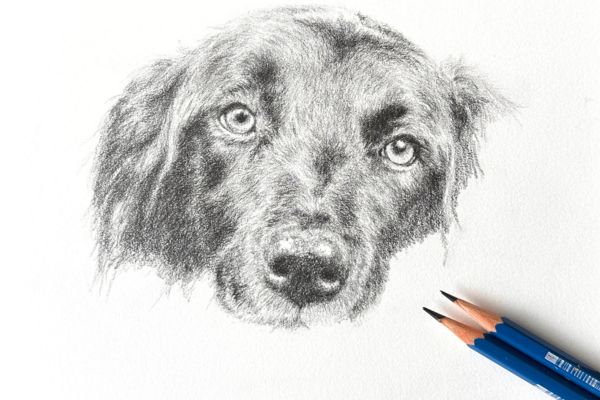
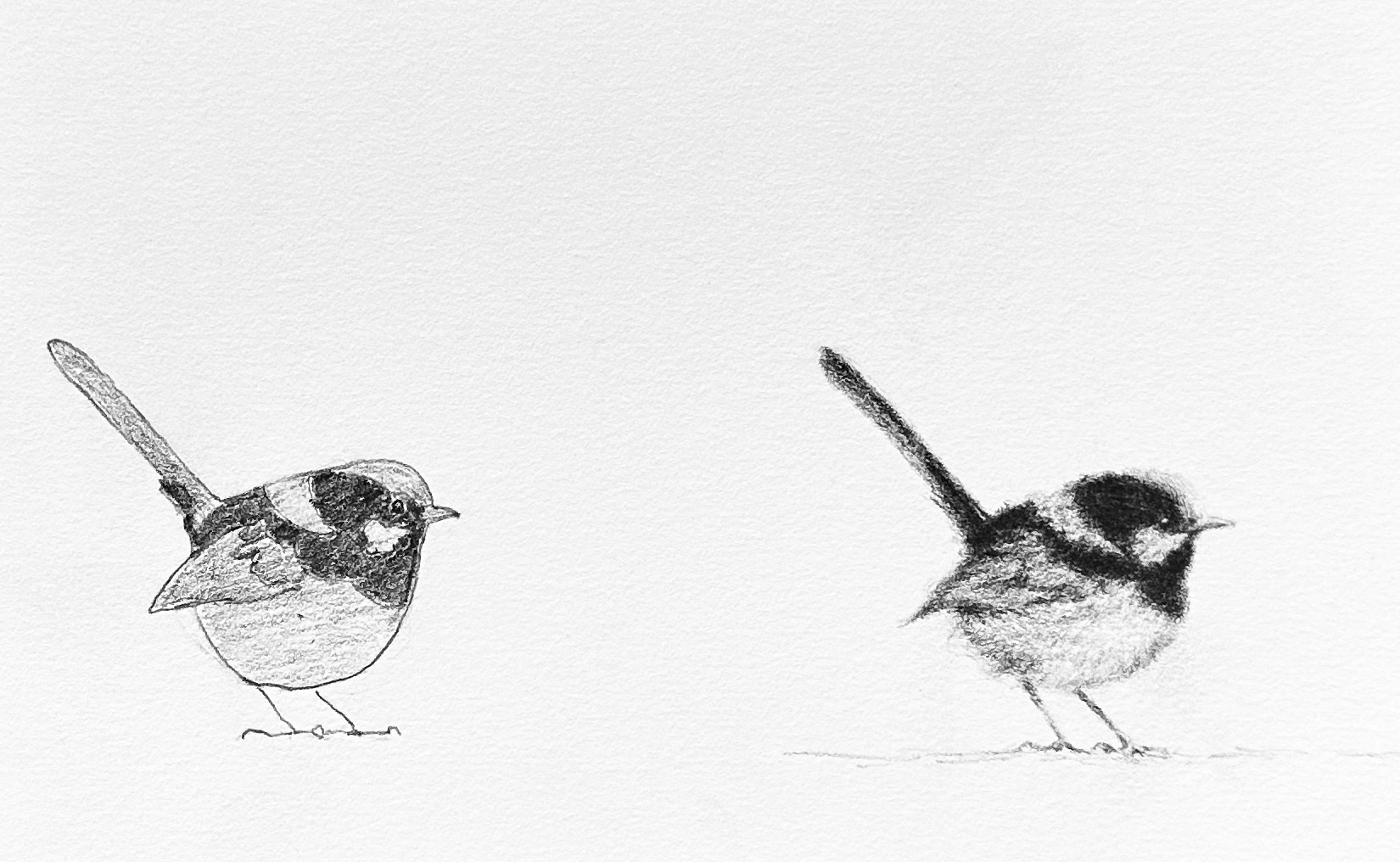
Varying your edges is also key to realism. Some edges should be soft and gently blended into the surrounding tones, while others need to remain more defined. This variety prevents your drawing from looking flat or cut out. Hard edges draw the viewer’s eye and suggest focus, while soft edges allow areas to recede and feel natural.
A drawing with only hard edges often looks stiff and unrealistic. A thoughtful mix of soft and hard edges adds depth, atmosphere and life to your animal portraits.
Support on Your Graphite Drawing Journey
If you would love guided support as you learn these skills step by step, my 28-day graphite coaching program, Dreams to Drawing, is designed especially for beginners and those looking to advance their graphite skills. Within the program, you will build a strong foundation, develop confidence, and learn to create realistic animal drawings with accuracy and structure.
You do not have to learn alone. I would love to support you on your drawing journey.
You can learn more and enrol in Dreams to Drawing here: Dreams to Drawing