A Colour-Focused Approach to Improving Your Animal Artwork
A Colour-Focused Approach to Improving Your Animal Artwork
When we think about improving our artwork, it’s easy to believe we need to work on everything at once like drawing, proportions, colour, detail, confidence, speed. But real, lasting progress often comes from doing the opposite.
This year inside the Animal Artists Academy, we’re taking a slower, more focused approach by concentrating on one colour each month through our monthly drawing challenges. Instead of trying to master every colour at once, we’re giving ourselves permission to explore colour deeply, thoughtfully, and without pressure.
Our first focus colour is orange.
Why Focus on One Colour at a Time?
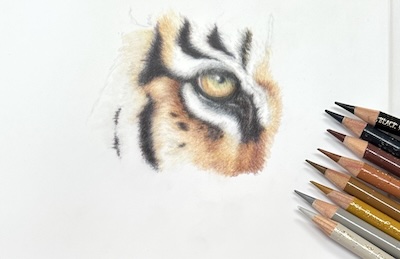
Colour can feel overwhelming, especially with coloured pencils. There are so many pencils, subtle shifts in temperature, and endless combinations, and without a clear plan, or deeper colour knowledge’, it's easy to default to whatever pencil seems 'close enough.'
By focusing on one colour at a time, you:
train your eye to notice subtle variations
understand how value, temperature, and saturation work together
build confidence through repetition
develop stronger colour decision-making skills
This approach removes the pressure to be perfect and replaces it with curiosity and observation.
Why Orange?
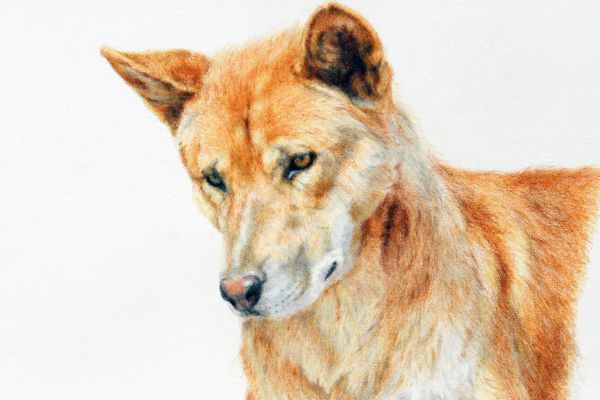
Orange is often found as a coat colour in the animal world.
Many artists think of orange as loud or overpowering, but in reality, it appears everywhere in nature:
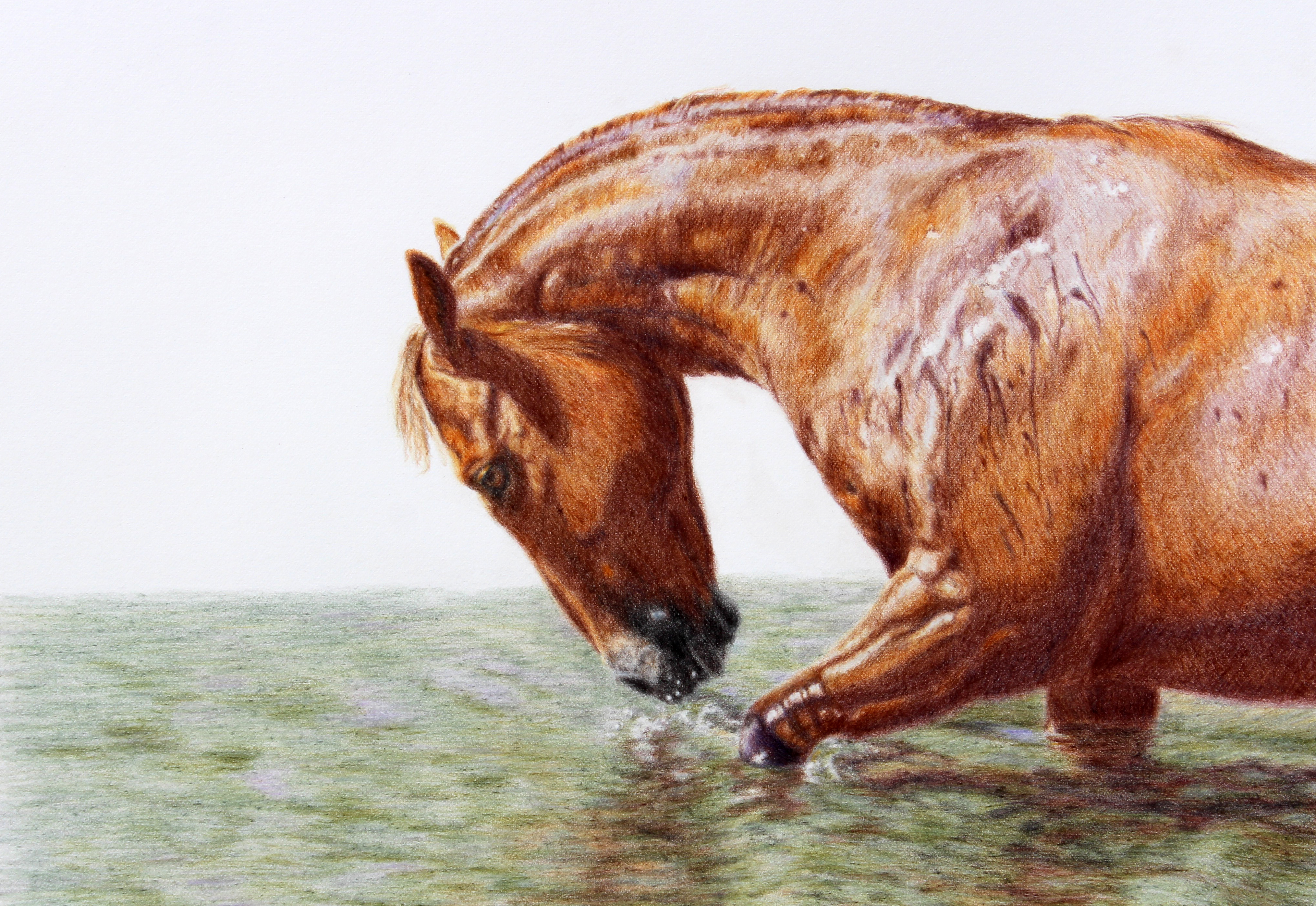
warm fur tones in big cats, foxes, horses, and dogs
subtle glow in feathers
reflected light on coats and manes
warm highlights created by sunlight
Often, orange isn’t obvious, t’s layered, muted, or softened by surrounding colours. Learning to recognise and mix different types of orange can dramatically improve realism and depth in your work.

Learning to See Orange Differently
When working with orange, the first step isn’t choosing a pencil, it’s observation.
Some important questions to ask are:
Is the orange bright or muted?
Does it lean more towards yellow or red?
Is it warm or slightly cool?
Is it light, mid-value, or dark?
Once you start asking these questions, orange stops being 'just orange' and becomes a family of colours that you can control and adjust.
How Monthly Colour Challenges Help
Inside the Academy, the monthly colour challenge isn’t about producing a finished masterpiece. It’s about:
slowing down
experimenting without pressure
testing colour mixes
and learning through focused practice
Each challenge encourages artists to observe more closely, make informed choices, and reflect on what they’re learning. Over time, this builds strong foundations that carry across every subject and every drawing.
You Don’t Need to Be a Member to Benefit
While the guided challenges happen inside the Animal Artists Academy, the colour-focused mindset is something any artist can adopt.
You can start by:
paying closer attention to colour in reference photos
experimenting with small test swatches
limiting your palette
asking better questions before you start a drawing
Improvement doesn’t come from rushing. It comes from awareness.
An Invitation to Slow Down
This year’s colour-by-colour approach is about giving yourself permission to learn properly, without overwhelm, comparison, or pressure.
Whether you’re participating inside the Academy or simply following along from the outside, I encourage you to start noticing colour more intentionally in your artwork.
Sometimes, focusing on just one colour is exactly what helps everything else fall into place.